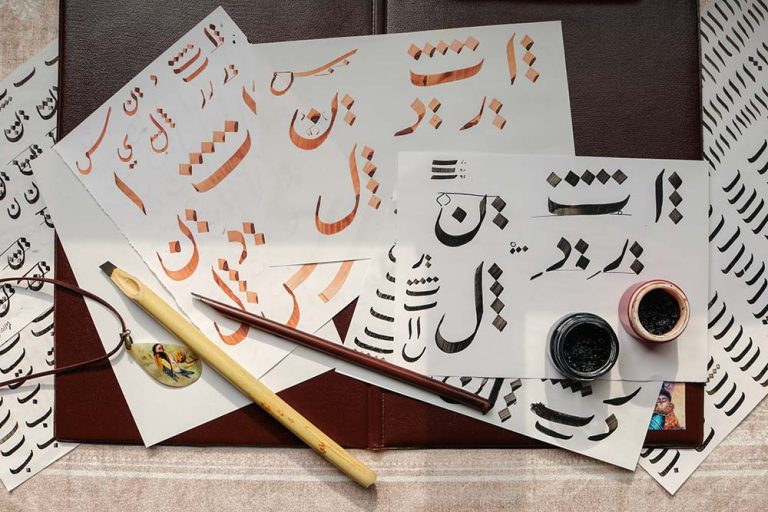
Introduction:
In an era dominated by technology and digital communication, the relevance of cursive handwriting often comes into question. Many argue that the art of flowing, connected script has become obsolete in a world where typing and texting prevail. However, delving deeper into the subject reveals that cursive handwriting serves a purpose beyond mere aesthetics. In this blog, we will explore the significance of cursive writing and why it continues to hold value in contemporary society.
Historical Perspective:
Cursive handwriting has a rich history that dates back centuries. The term “cursive” is derived from the Latin word “currere,” meaning “to run.” Its evolution can be traced through various scripts, from the elegant Spencerian and ornate Copperplate of the 19th century to the simplified Palmer Method developed in the early 20th century. Handwritten communication in cursive was once a skill highly valued for its efficiency and elegance.
Development of Motor Skills:
One of the primary benefits of learning cursive handwriting lies in its impact on motor skills development. Research suggests that the intricate and deliberate movements required for cursive writing can enhance fine motor skills in both children and adults. The continuous flow of cursive letters demands coordination between the hand and the brain, contributing to improved hand-eye coordination and dexterity.
Cognitive Benefits:
Beyond the physical aspects, cursive handwriting has been linked to cognitive benefits. Studies indicate that the act of forming cursive letters engages different parts of the brain compared to printing or typing. This unique neural activation may foster improved retention, comprehension, and creativity. In essence, the process of writing in cursive can be seen as a holistic cognitive exercise.
Signature and Personalization:
Cursive handwriting holds a special place in personalization, particularly when it comes to signatures. Many individuals find that signing their name in cursive adds a distinct touch to their identity. A well-executed cursive signature can be a symbol of sophistication and individuality, making it a timeless and irreplaceable element in legal documents, letters, and various forms of personal expression.
Preservation of Cultural Heritage:
The art of cursive handwriting contributes to the preservation of cultural heritage. Throughout history, handwritten documents, letters, and manuscripts have been invaluable in capturing the essence of different eras. The aesthetic appeal of cursive writing adds an artistic dimension to these historical artifacts, emphasizing the beauty of language and communication as it evolved over time.
Conclusion:
In a world where efficiency often takes precedence, cursive handwriting may seem like a vestige of the past. However, its enduring value lies in its ability to foster motor skills, stimulate cognitive development, and provide a unique, personal touch to communication. As we navigate the digital age, let us not overlook the cultural and cognitive significance that cursive handwriting brings to our lives. Embracing this traditional skill can be a celebration of our rich heritage and an investment in the holistic development of individuals across generations.